
Get a Quote







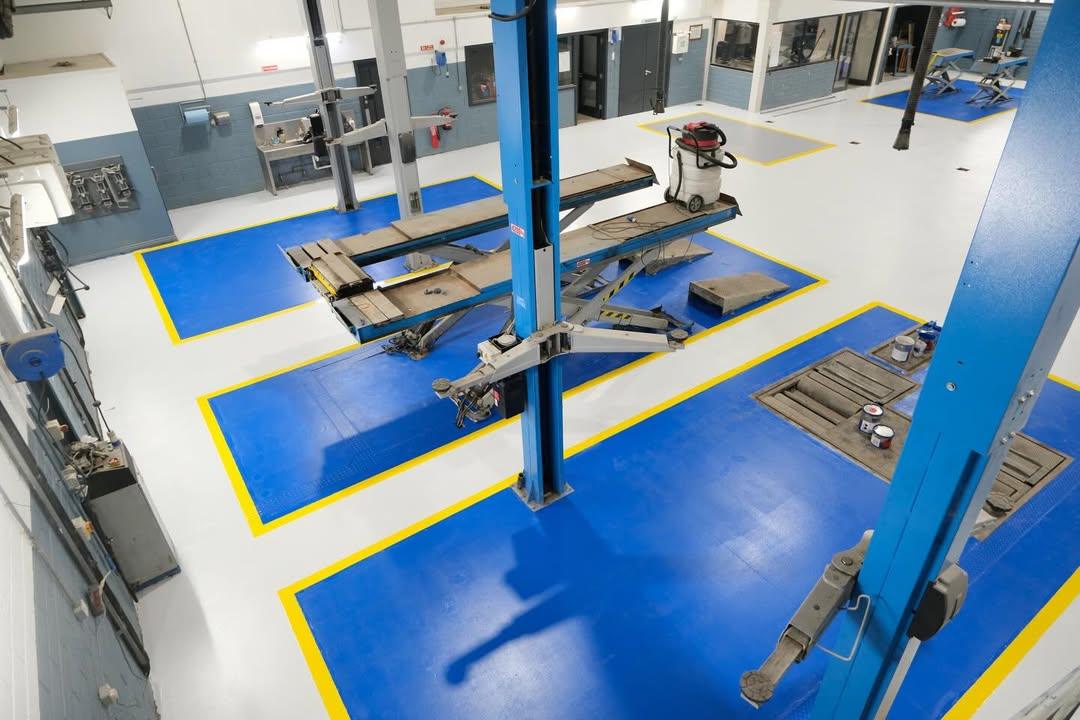
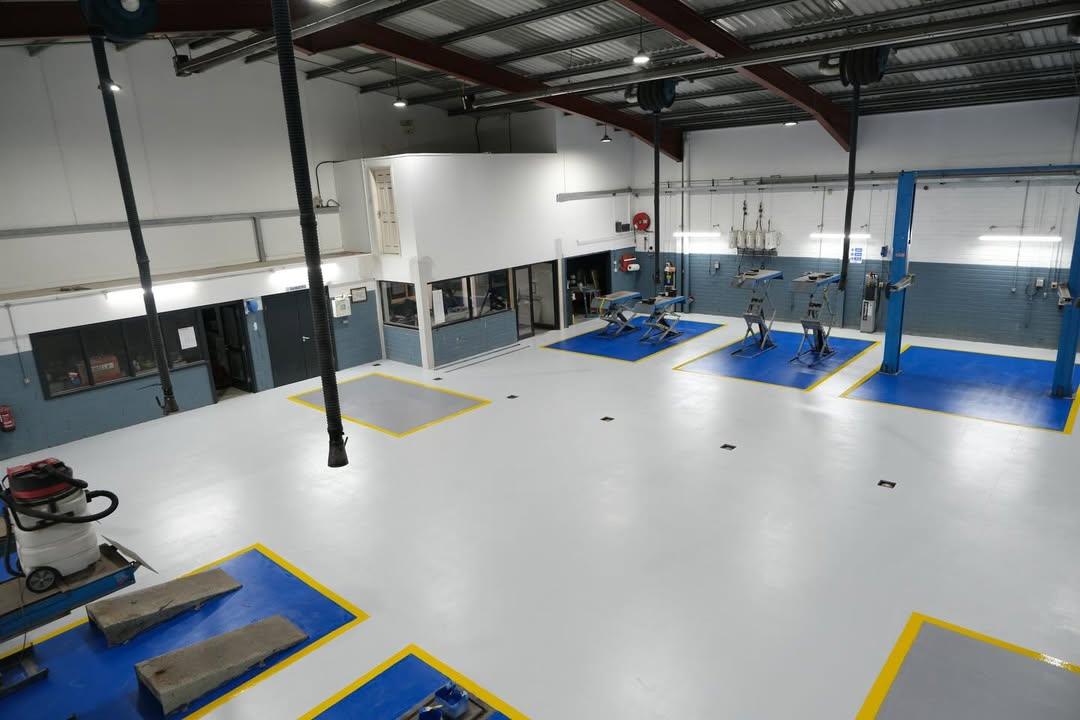

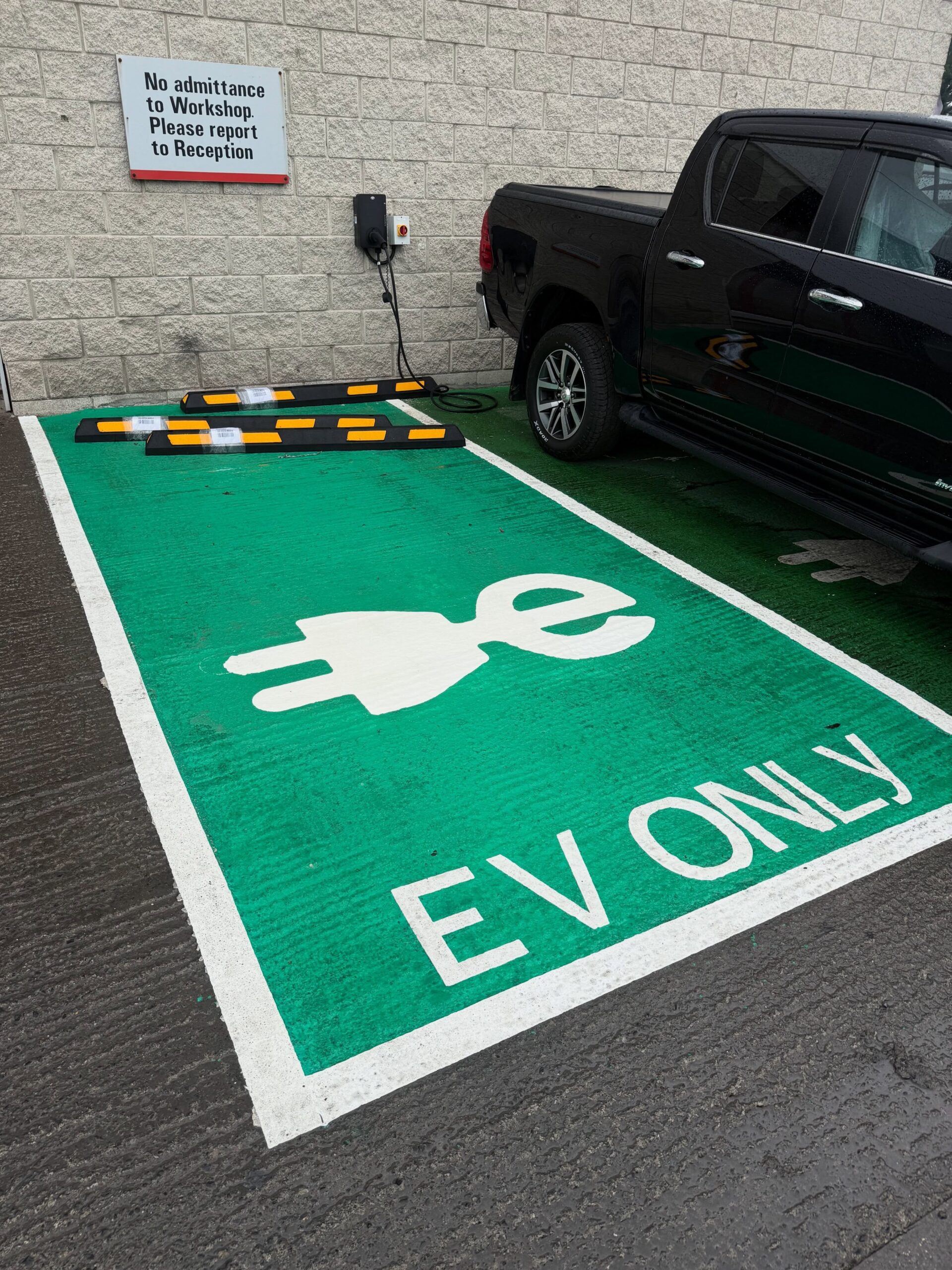


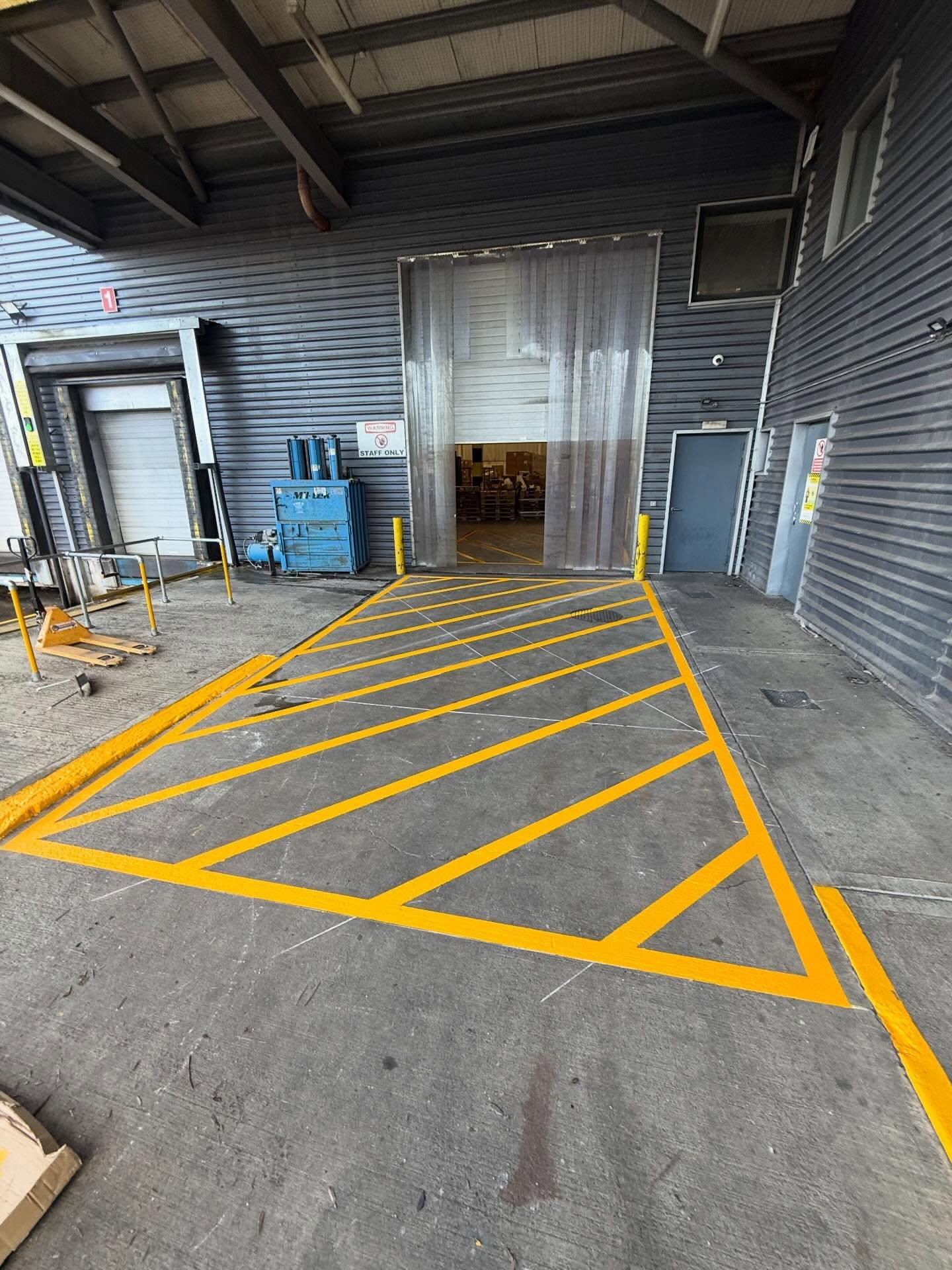

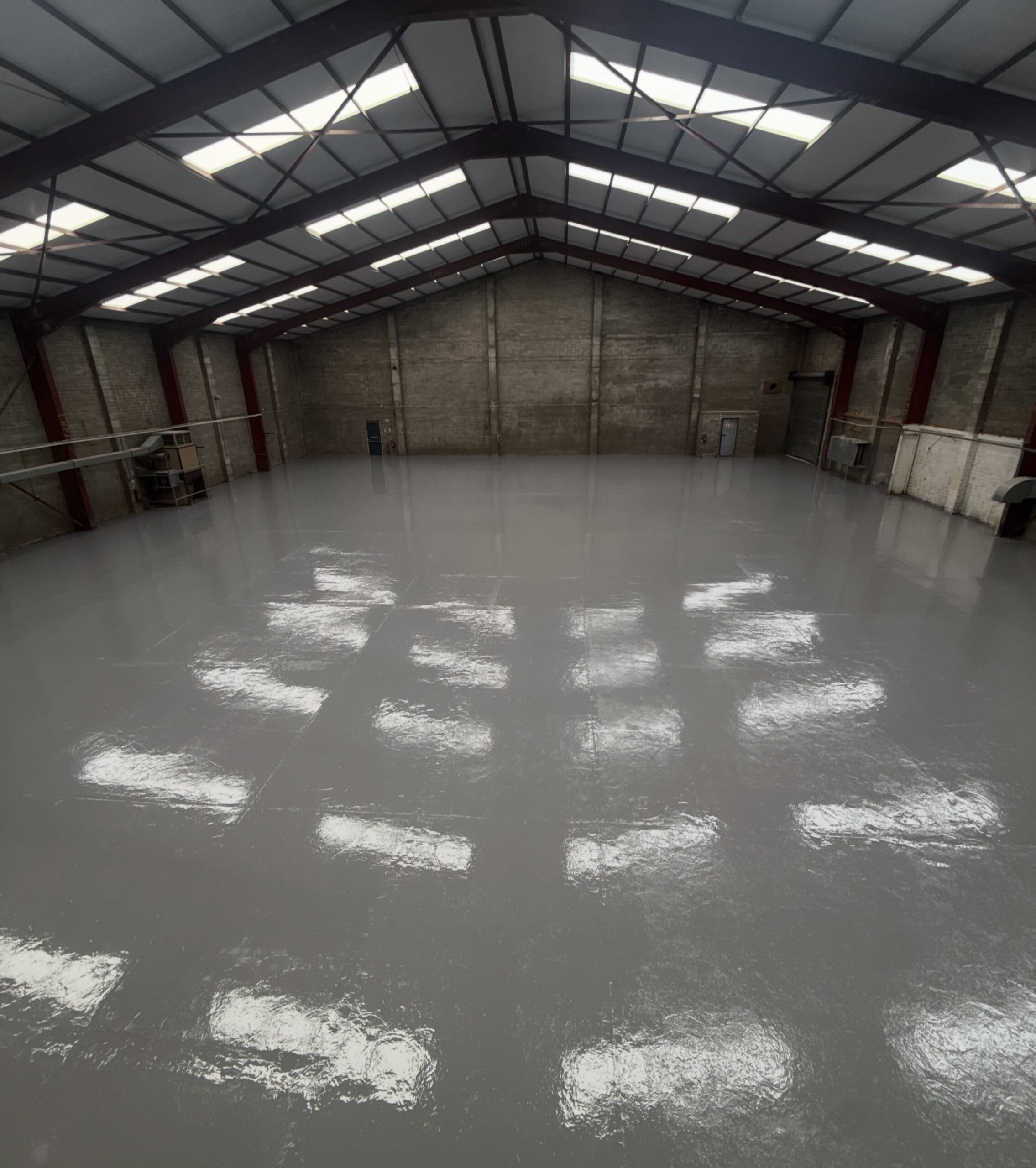
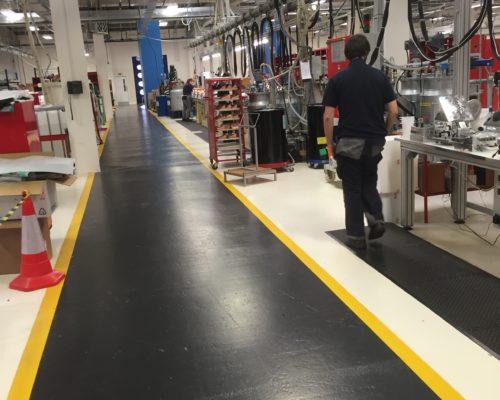
Anti-static flooring in Sligo solves a problem most floors ignore completely: the invisible one. Every time a person walks across an ordinary floor, their body builds an electrostatic charge — routinely 10,000 to 15,000 volts on a dry day, simply from the friction of shoe soles on the surface. You feel it occasionally as a small zap on a door handle. Sensitive electronics feel it very differently. It takes as little as 100 volts — a discharge far below anything a human can even perceive — to damage a modern microchip, corrupt a circuit board, or degrade a component in a way that won’t show up until it fails in the field, months later, in a customer’s hands.
That’s the cruel part of electrostatic discharge: most ESD damage is silent. The component doesn’t die on the bench — it’s wounded. It passes testing, gets shipped, and fails early somewhere expensive. Industry studies consistently attribute a substantial share of unexplained electronics failures and warranty returns to uncontrolled static somewhere in the production or handling chain. And in environments with flammable solvents, powders or gases — pharma production, printing, paint plants — a static spark isn’t a quality problem at all. It’s an ignition source, and the HSA treats it exactly that way under ATEX and DSEAR-aligned regulations.
The floor is where ESD control starts, because the floor is where the charge is generated and where it must safely drain away. An anti-static floor system is engineered with conductive materials and a grounding network that pulls static off people and equipment continuously and harmlessly — before it ever reaches a component, a solvent vapour, or a sensitive instrument. No wrist straps forgotten, no mats out of place: the protection is built into the building itself.
This is specialist work, and it’s measured, not guessed. A floor either meets its target resistance range under test or it doesn’t — there’s no “looks grand” in ESD flooring. Sligo Floor Painting Company installs certified anti-static epoxy systems across Sligo, Leitrim, Mayo and Roscommon for electronics, pharma, labs, cleanrooms and server environments, with every installation ground-connected, tested and documented. Ron and his experienced crew bring the same preparation-first discipline that earns our 5-star Google reviews on every industrial project — applied here to a floor where precision is the entire point.
If your operation handles sensitive electronics, flammable materials or precision instruments, call Ron on 086 2631652 for a free survey and a straight, jargon-free assessment of what your floor needs.
Anti-static flooring — also called ESD (electrostatic discharge) flooring — is a resin floor system engineered to control static electricity rather than simply resist wear. It looks much like a standard seamless epoxy flooring finish, but its behaviour is completely different: instead of insulating (as normal epoxy does), it conducts charge safely to earth through a designed grounding path.
A complete system has three working parts:
The conductive body coat. The epoxy is loaded with conductive materials — typically carbon fibres, carbon black or conductive polymers — creating millions of continuous pathways through the floor’s thickness.
The grounding network. Copper earthing tapes or grids are laid beneath the coating and connected to the building’s electrical earth at multiple points. This is the drain that carries charge away — a detail invisible in the finished floor and entirely decisive to whether it works.
The calibrated surface. The topcoat is formulated to hit a specific electrical resistance range, and the range matters:
The correct range is dictated by your operation and the standards you work to — IEC 61340 for ESD protected areas, and ATEX/DSEAR considerations where flammable atmospheres exist. That’s a specification conversation, not a colour choice, and it’s exactly what the free survey establishes.
One more thing worth knowing: anti-static properties must run through the whole system. Waxing, wrong cleaning chemicals, or an ordinary sealer applied later can insulate the surface and quietly switch your protection off — which is why our handover includes clear maintenance guidance.
The West of Ireland’s growing electronics, med-tech and pharma footprint makes ESD control a live issue here — and local conditions add their own twists.
ESD flooring is unforgiving of shortcuts — a single break in the conductive path or a skipped earth connection and the floor fails its test. Our process is built around getting a measured pass, first time.
Ron visits your facility and establishes the essentials: what you handle, what standards apply (IEC 61340, ATEX zones, customer EPA requirements), where earthing points are available, and the slab’s condition and moisture level. From that we specify conductive or dissipative, system thickness, and the earthing layout. You receive a written, itemised quote with the target resistance range stated — so the pass criteria are agreed before work begins.
The slab is mechanically prepared by diamond grinding — or dust-free shot blasting on larger production floors — to remove laitance and contamination and open the surface for bond. Existing failed coatings come off completely via our floor coating removal service; an old insulating layer left in place would undermine the entire conductive path.
Cracks and spalls are made good through concrete floor repairs, and joints are properly treated — a cracked substrate telegraphs through a rigid ESD system and can break conductive continuity. Where the slab needs deeper attention, full floor preparation brings it back to a sound, level base.
Copper grounding tapes are laid to the designed grid and connected to verified earth points — typically one connection per 100m² minimum, more in critical areas. Then the system builds: conductive primer, conductive body coat, and the calibrated ESD topcoat, applied by trained hands at the thicknesses the specification demands. Colour options remain wide — light greys for bright production spaces, or zone colours to mark your EPA boundaries visually.
This is the step that separates ESD flooring from ordinary flooring. Once cured — foot traffic at 24 hours, full service typically at 5–7 days — the floor is tested with calibrated resistance meters at multiple points across every area, and the readings are documented against the specified range. You receive the test certificate for your compliance file, plus plain-English maintenance guidance: which cleaners preserve conductivity, and what never to put on the floor. We walk the floor together and hand over a system you can prove works — not just one that looks finished.
Protecting product worth thousands starts with one free survey. Call Ron on 086 2631652 and get your ESD specification in writing.
Continuous, building-wide static drainage protects every board, chip and instrument that crosses the floor — cutting hidden ESD damage, field failures and warranty returns at the source.
In solvent, powder and gas environments, a certified conductive floor removes static spark as an ignition source — a primary engineering control for ATEX/DSEAR compliance.
Unlike almost any other floor, an ESD floor gives you numbers: measured resistance readings and a certificate your auditors, customers and insurers can file. Compliance you can prove, not assert.
Wrist straps get skipped; mats drift out of position. The floor is always on — passive protection covering everyone and everything, every shift.
Chemical resistance, durability under trolleys and traffic, easy cleaning and a bright professional finish — the same qualities that make our standard industrial flooring systems last 10–15 years, with ESD control built in.
Phased areas, weekend working and planned curing windows — the same scheduling discipline we bring to every project, so production loses as little time as possible.
One static spark can cost more than the whole floor. Get ahead of it — free quote on 086 2631652.
PCB assembly, device manufacture, test and repair benches — dissipative systems to IEC 61340 that make the whole production area an EPA.
Conductive and dissipative floors for solvent-handling and powder-processing areas, integrating with hygienic finishes and hygienic wall cladding for full washdown-ready envelopes.
Static-controlled surfaces protecting sensitive instrumentation and delicate samples in analytical, calibration and R&D spaces.
Dissipative flooring around racks and switching equipment, where a walk across the wrong carpet can genuinely take hardware down.
Printing, coatings, aerosol and chemical operations with ATEX-zoned areas — conductive systems installed and certified as part of the ignition-control strategy.
Storage and picking areas for ESD-sensitive stock, often installed alongside standard industrial floor painting in adjacent general zones so each area gets exactly the specification it needs.
From Sligo Town across Leitrim, Mayo, Roscommon and the wider West of Ireland — wherever static is a risk, we cover it.
Anti-static installations frequently connect with our wider specialist work. Pharma and med-tech clients typically combine ESD floors with clean room systems and wash room systems for a complete controlled environment. Areas handling aggressive process chemicals step up to chemical resistant flooring, while production zones prone to airborne particle issues benefit from dust proofing on adjacent slabs. And where EPA boundaries, walkways and handling zones need visual definition, safety line marking completes the setup.
Think about what’s actually at stake on your floor. A single damaged batch of boards. One field-failure warranty claim. One audit finding that stalls a customer contract. One spark in the wrong room. Any one of those costs more than the floor that prevents all of them — and static doesn’t announce itself before it strikes. It’s already in your building, building charge with every footstep, and the only question is where it discharges.
Anti-static flooring in Sligo, installed and certified by Ron and the crew, turns that invisible risk into a measured, documented, solved problem — a floor that drains every charge safely to earth for the next decade and hands you the test certificate to prove it.
The next step costs nothing and commits you to nothing:
Call Ron: 086 2631652 — direct line, straight answers on standards and specification
Call Office: 014800555 — Sun–Fri, 09:30–17:30
Email: info@sligofloorpaintingco.ie
Or send your details through our contact page and we’ll respond the same working day.
Your components, your compliance file and your insurance premium will all thank you. Book your free, no-obligation anti-static flooring survey today — and make static someone else’s problem.
Fill in your details and we'll get back to you within 24 hours.
Our Clients





Case Studies


Healthcare Manufacture Plant
Client:
Trulife International
Location:
Airton Rd, Dublin, Ireland
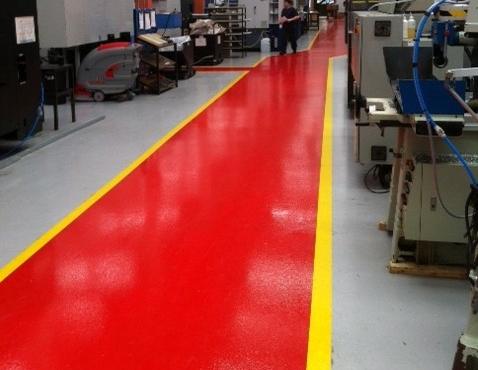

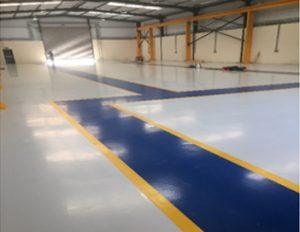

Old Concrete Refurbishment
Client:
Pressco Engineering
Location:
Dublin, Ireland
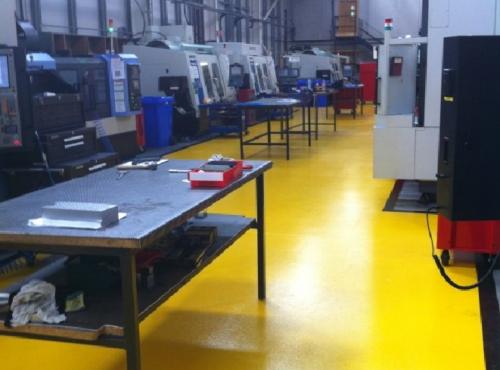

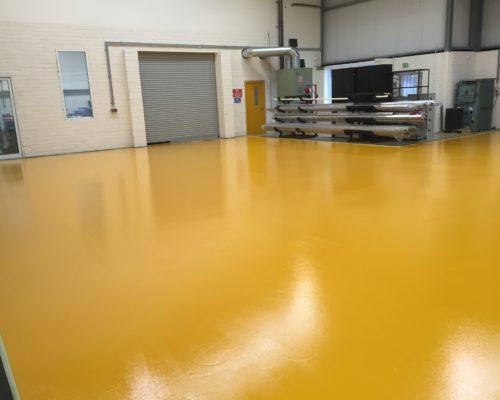
Anti Slip Flooring Installment
Client:
Tech Engineering
Location:
Bray, Ireland
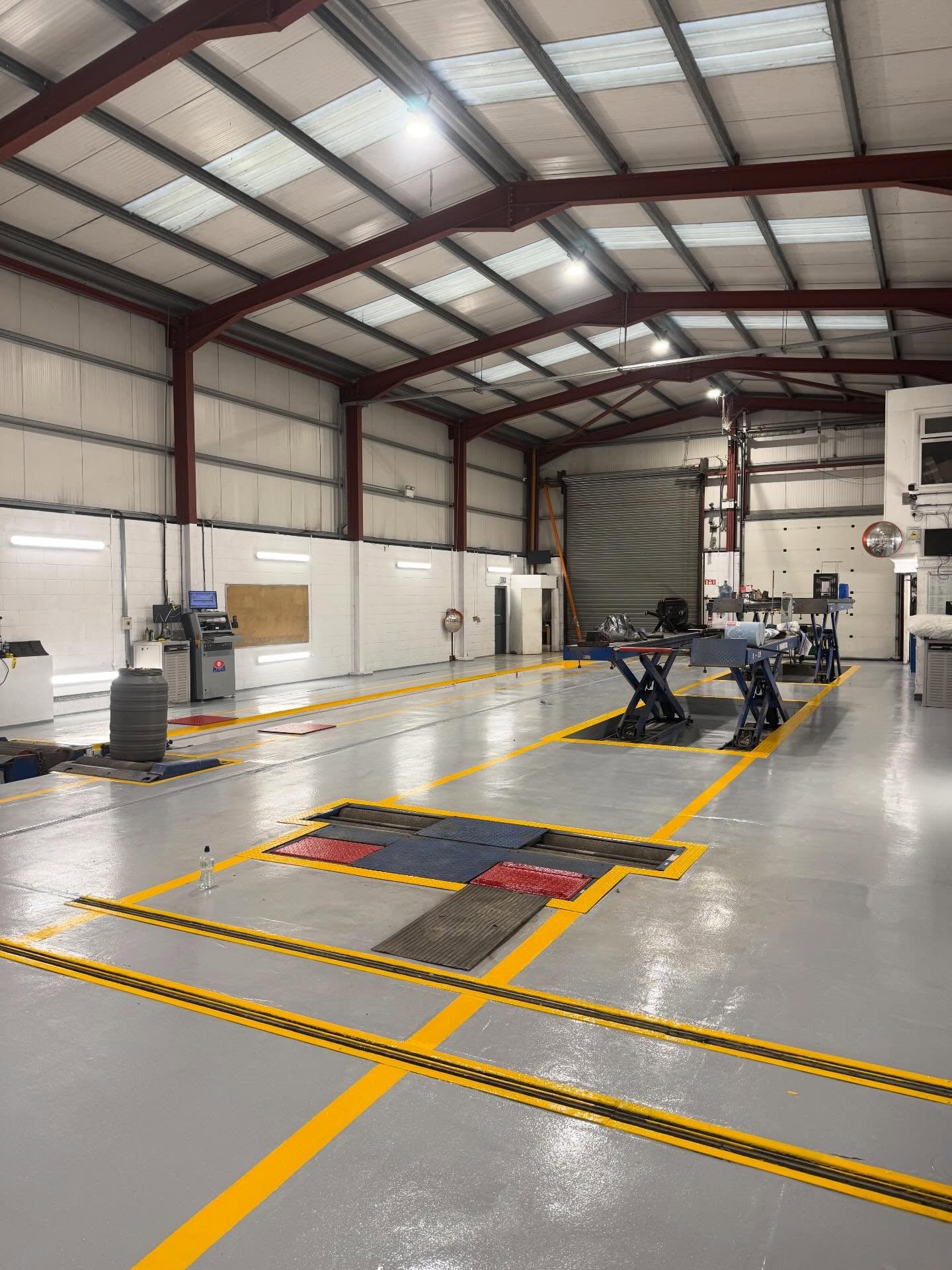
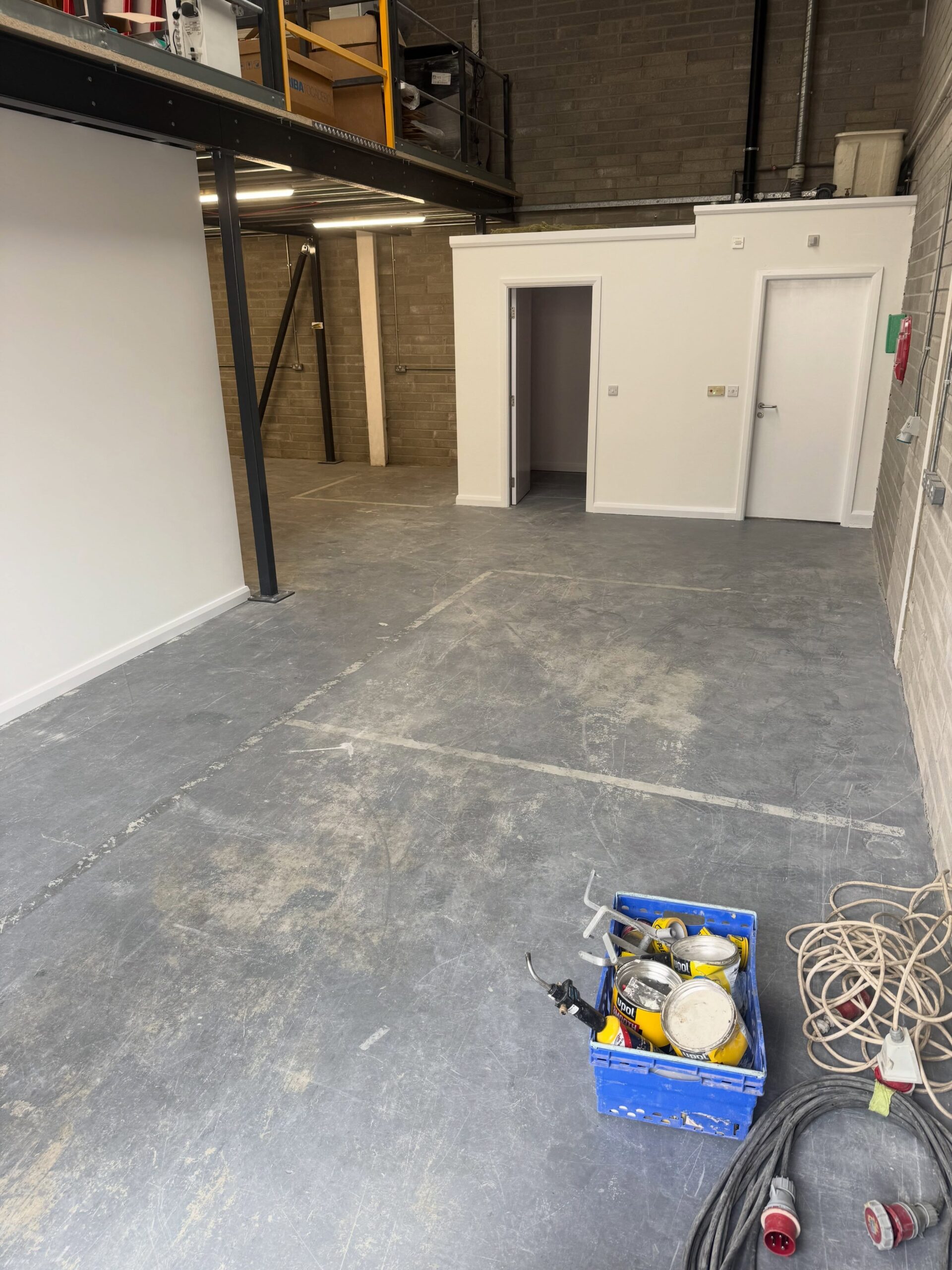
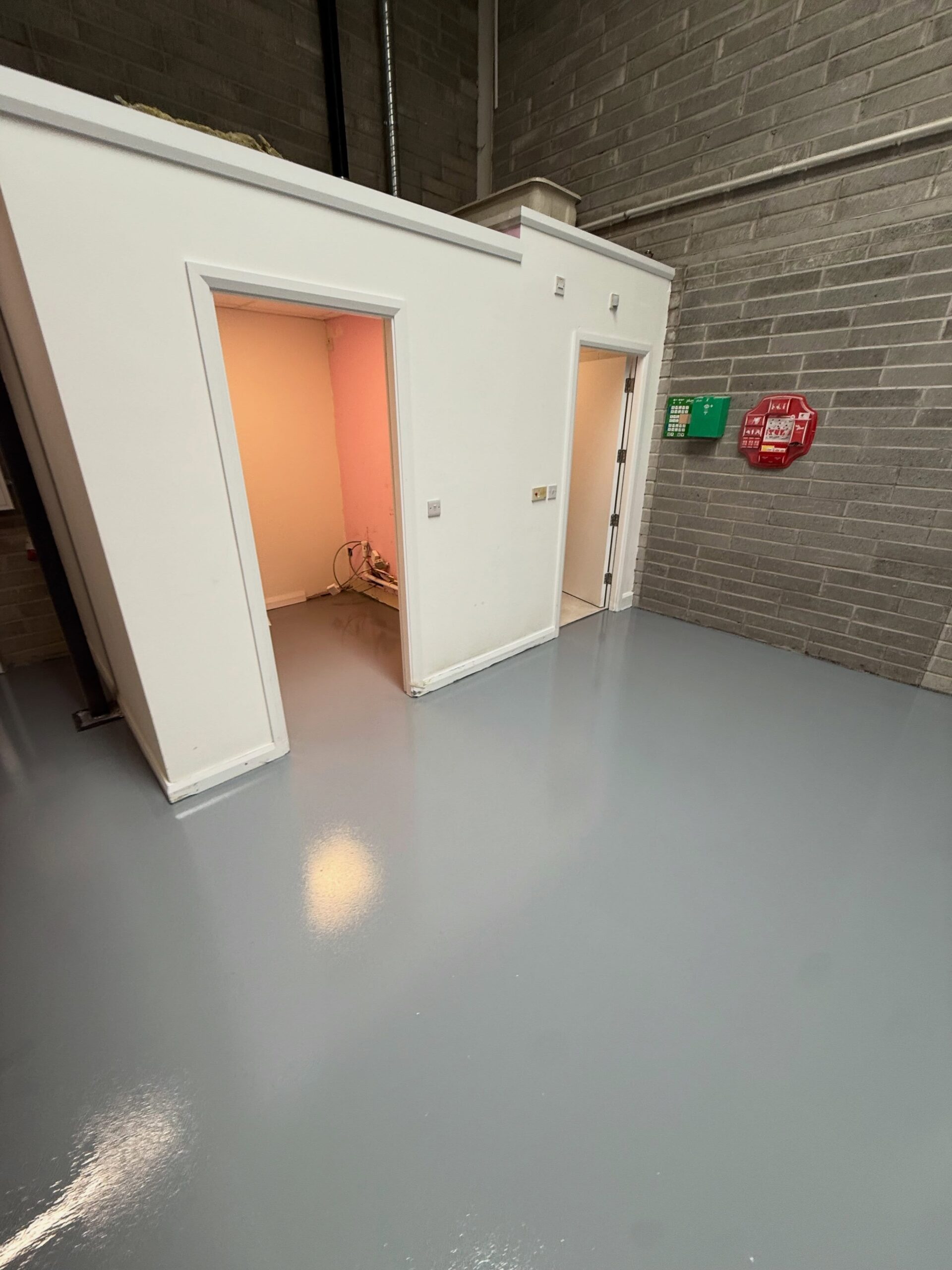
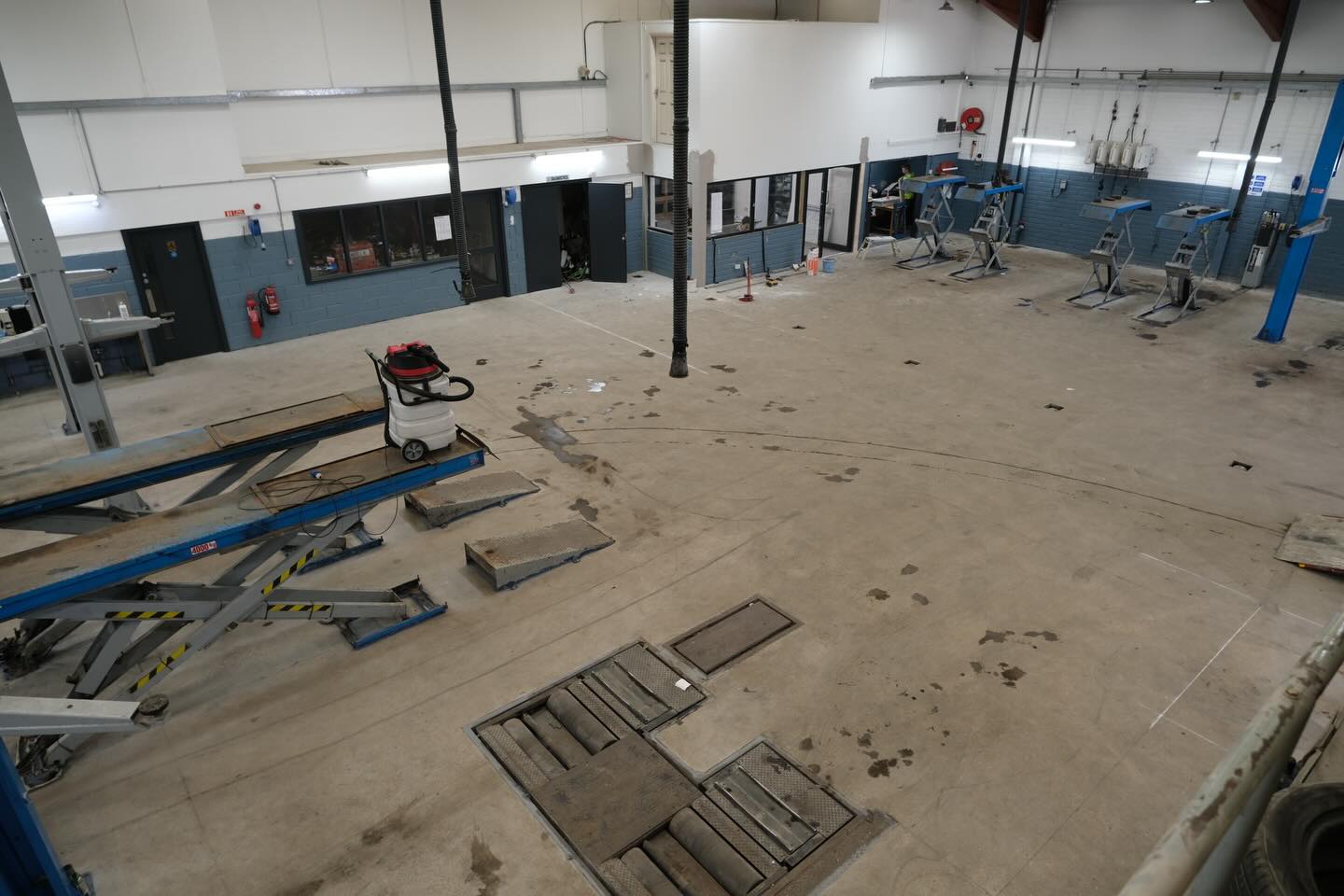
Before & After

Before
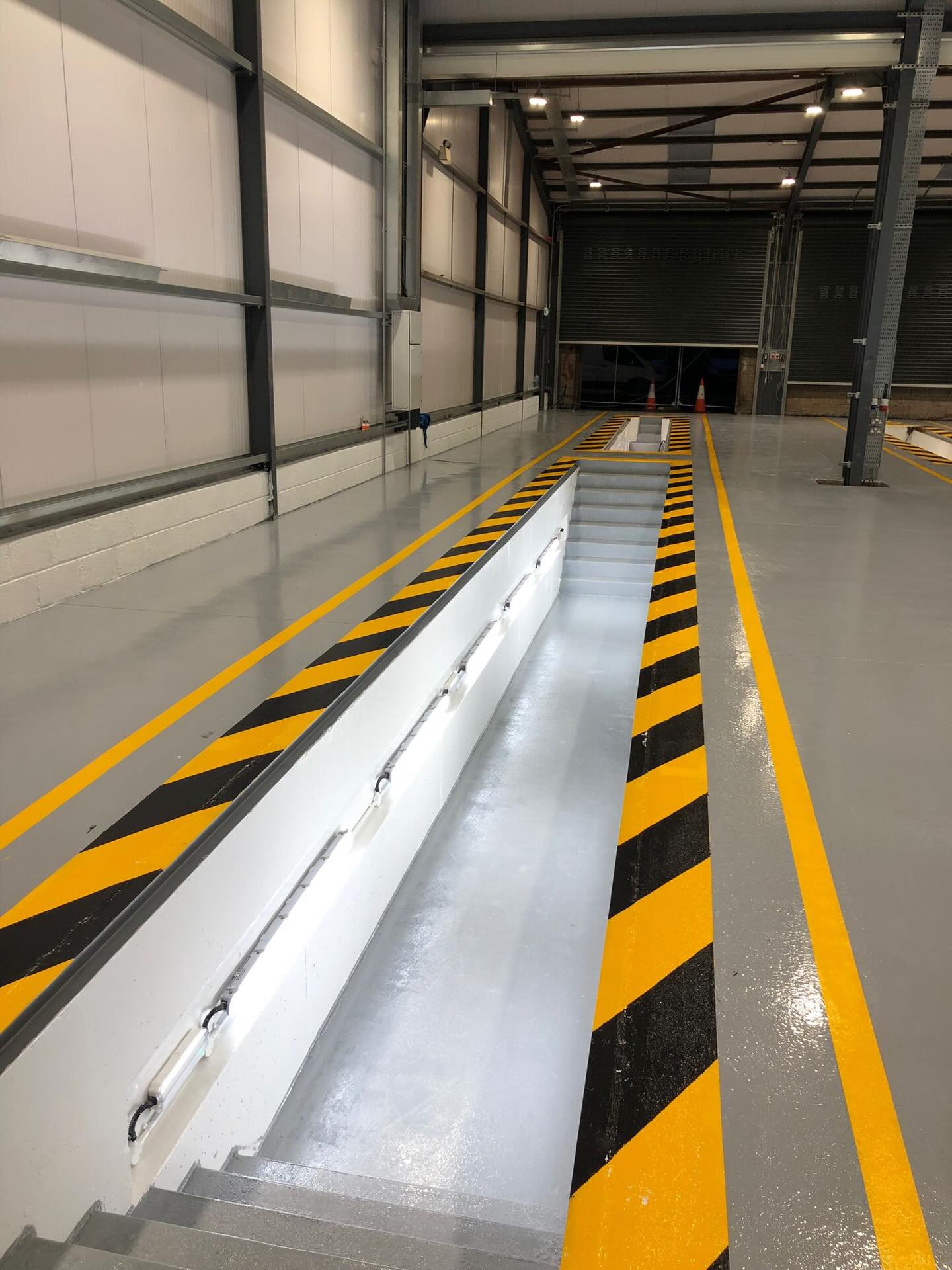
After

Before
After
Before
After
Before

After

Before
After


Call Colin: 0749104910 or Office Tel: 0866029909 Email us on: info@sligofloorpaintingco.ie
Sligo Floor Painting Company provides professional floor painting.
We install heavy-duty industrial coatings, anti-slip systems and warehouse floor finishes built for demanding commercial environments.